

Town Hall convened by Rep. Joey Andrews calls for home construction

Southwest Michigan needs more housing, and local leaders say increasing the supply of homes will require communities to rethink how they regulate new development.
That was the central message at a recent regional housing forum hosted by State Representative Joey Andrews (D-38), where business, housing and economic development leaders discussed the shortage of homes across the region and possible solutions.
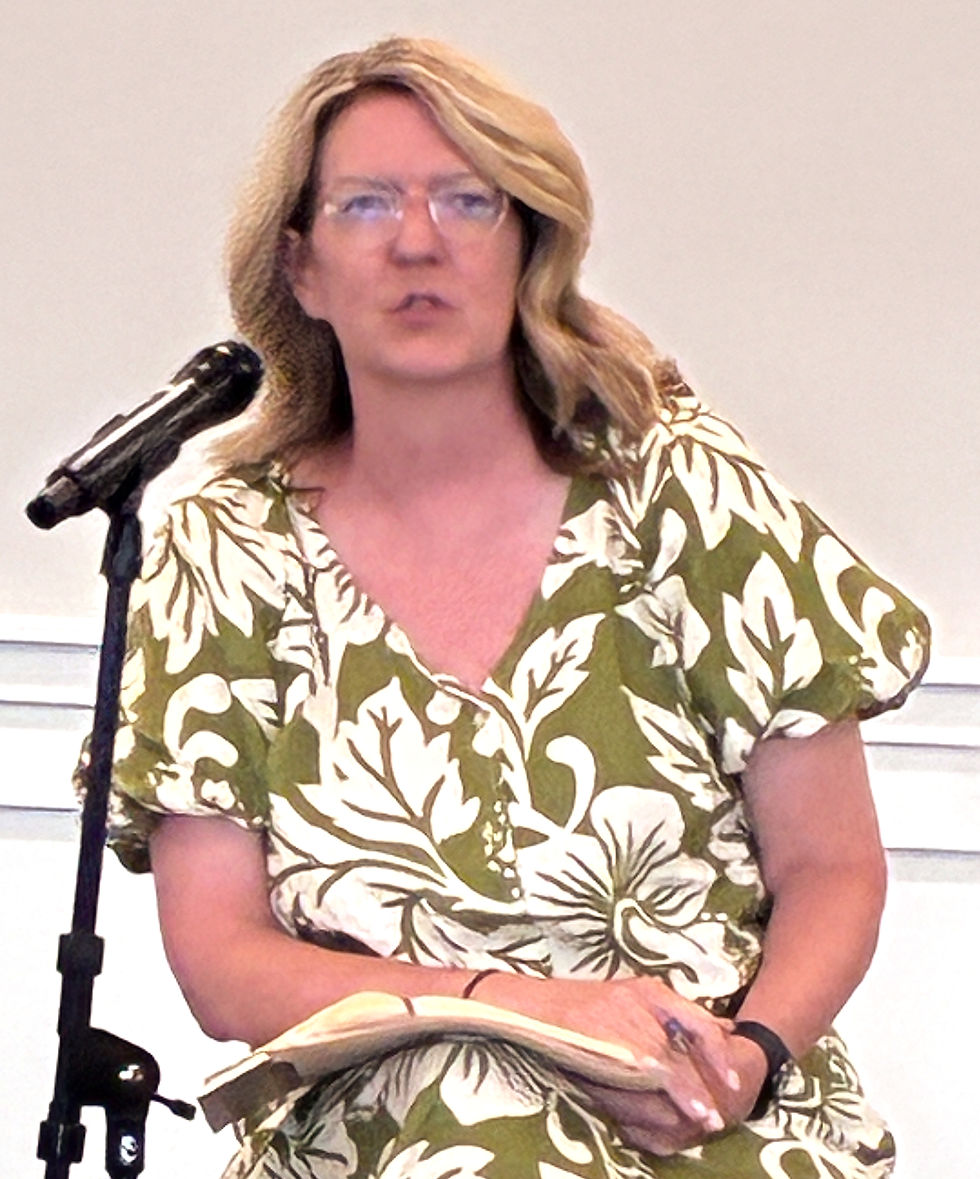
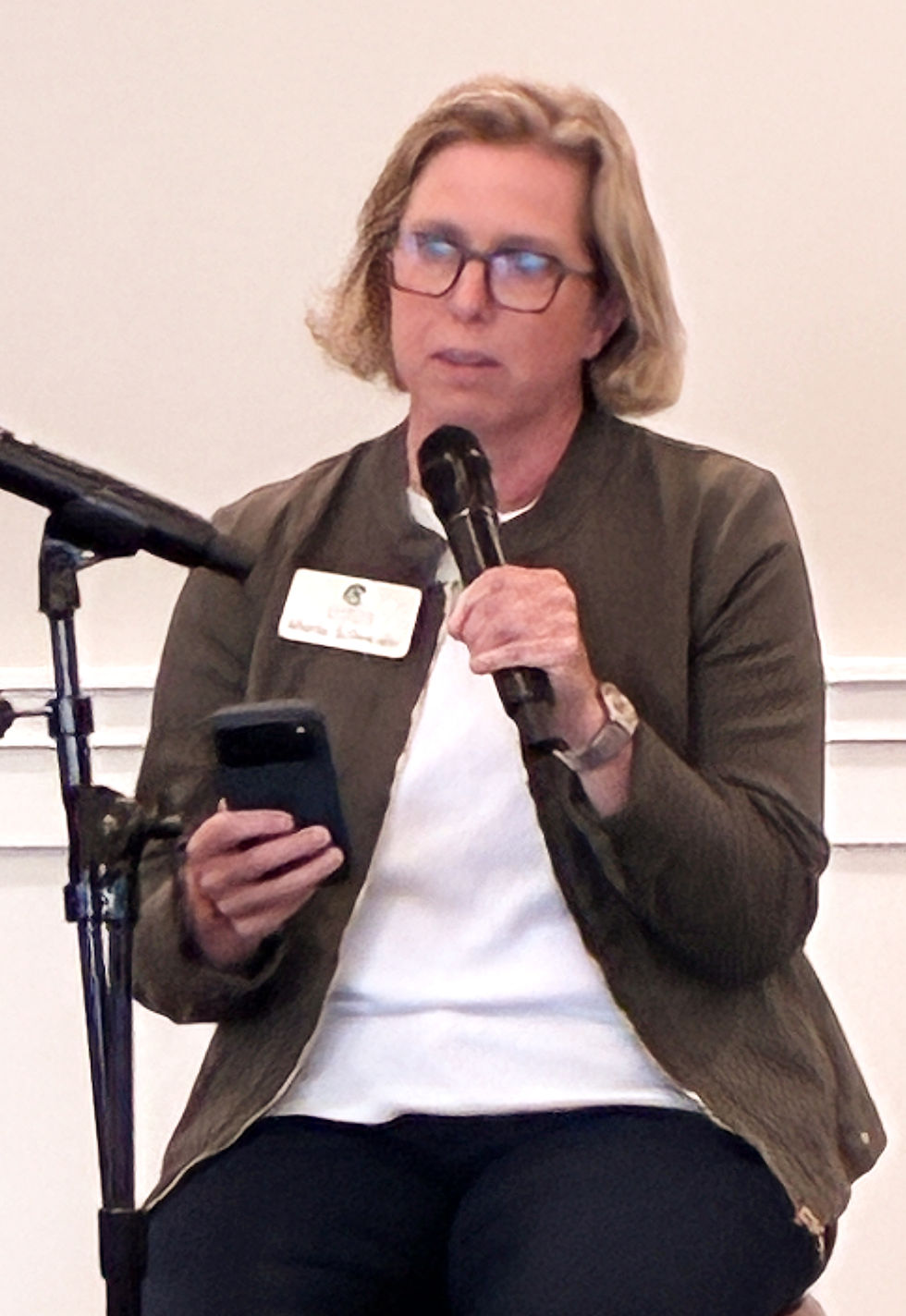
The panel featured Dawn Crandall, executive vice president of government relations for the Home Builders Association of Michigan; Arthur Havlicek, president and CEO of the Southwest Michigan Regional Chamber; Marla Schneider, president and CEO of Cornerstone Alliance; and Dan Fette, community development director and administrator of the Berrien County Brownfield Redevelopment Authority.
Although several examples came from Berrien County, the speakers emphasized that the housing shortage affects communities throughout Southwest Michigan, including both Allegan and Van Buren County.
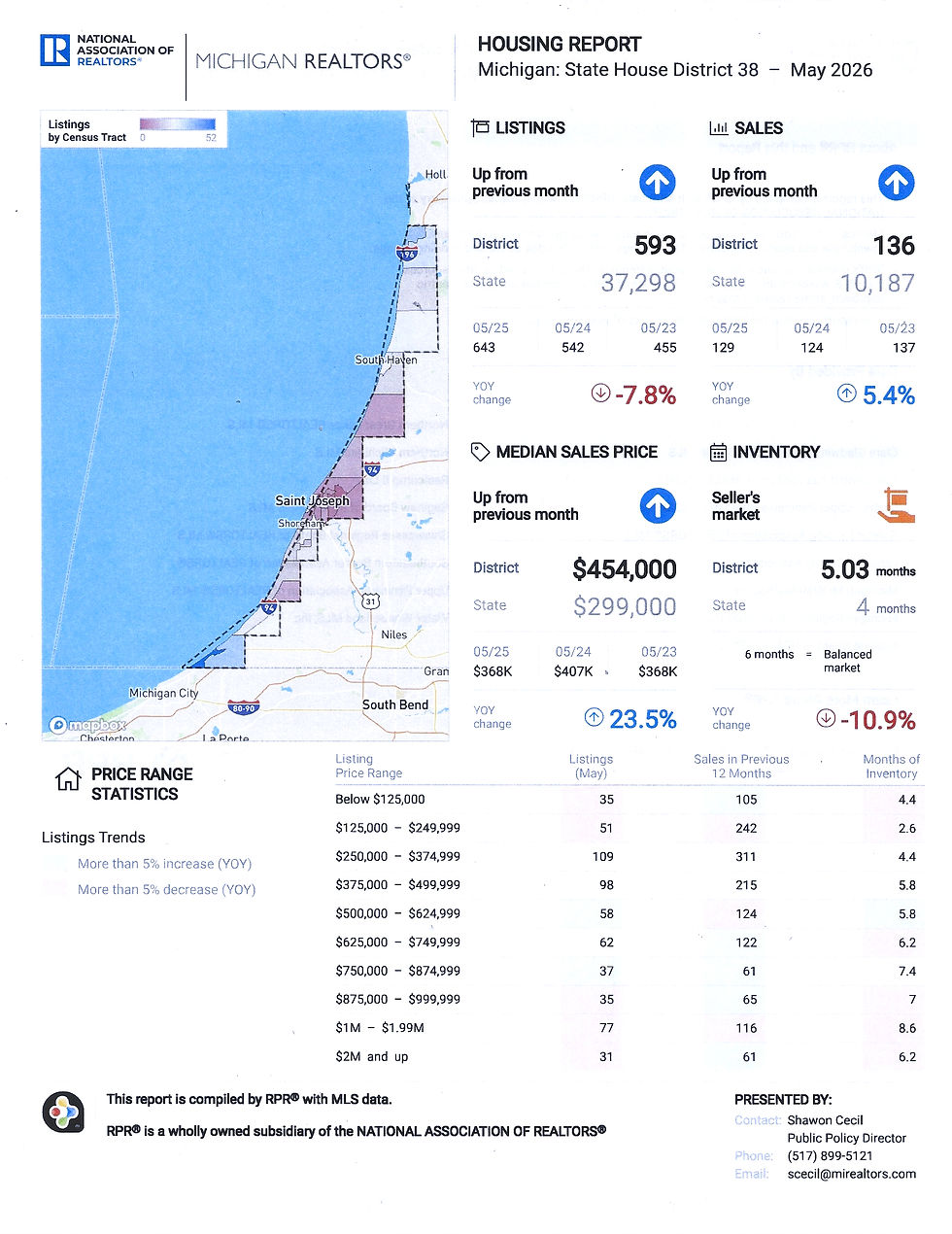
According to the Michigan State Housing Development Authority (MSHDA), Michigan currently needs approximately 115,000 additional housing units. The shortage includes homes at every price point, from apartments and condominiums to townhomes and single-family residences.
Panelists said the problem has been building for nearly two decades. Michigan issued approximately 54,000 building permits in 2005, but home construction slowed dramatically following the Great Recession (to about 15,000 in 2007) and has never fully recovered. At the same time, the state's housing stock has continued to age while household sizes have become smaller and the population has grown older. "The numbers don't work," Crandall said.
Southwest Michigan also faces unique pressures from seasonal tourism. Speakers noted that the percentage of short-term rentals in the region is roughly twice that of many other areas of Michigan, reducing the number of homes available for year-round residents. Fette said, "8,800 houses were used as STRs in Berrien County out of 77,000 total--about 10%."
"Housing is a financial product," Schneider said. "Seniors feel trapped," she continued,
explaining that many older homeowners would like to move into smaller homes but cannot find suitable alternatives. The increase in property taxes when purchasing a new home often makes moving financially difficult, leaving many seniors in larger homes longer than they intended.
Havlicek described what he called the "Five Ls" that influence housing costs:

Land — The cost of developable land continues to rise throughout Southwest Michigan.
Lumber — Building materials remain significantly more expensive than they were before the pandemic.
Labor — Skilled construction workers remain in short supply after many left Michigan following Hurricane Katrina and the Great Recession.
Lending — Financing has become more restrictive, giving builders and homebuyers less flexibility than in previous years.
Legislation — Zoning regulations, permitting requirements and local approval processes often add time, uncertainty and cost to new housing developments.
Builders also need predictability. As housing programs are funded, they quickly become oversubscribed, making it difficult for developers to plan projects with confidence.
Schneider shared findings from a recent Berrien County housing study that illustrate the scope of the local shortage. (Allegan County has a housing study from 2023).
The average home in Berrien County now sells for approximately $439,000. About 54 percent of the county's homes were built before 1970. Over the next five years, the county is projected to need approximately 2,200 additional rental units and 4,100 owner-occupied homes.
She also noted that nearly 19,000 people commute into Berrien County each day for work, while 9,300 workers travel more than 50 miles to reach their jobs. Nearly 69 percent of county households do not include children. Residents age 75 and older are the county's fastest-growing age group. She noted that a household earning $50,000 annually can generally afford monthly rent of about $1,250 under the standard guideline that housing costs should not exceed 30 percent of income.
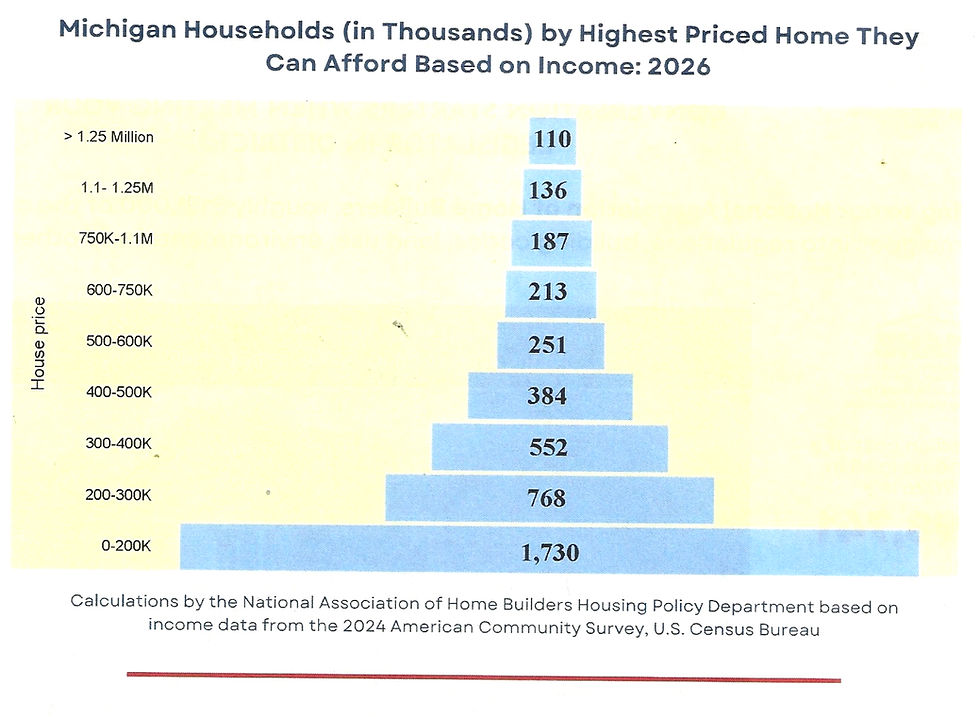
Statistics from the Home Builders Association provided information on Michigan household income versus housing affordability.
Fette said the decline in residential construction has made today's shortage almost inevitable. He noted that building permits fell sharply after the recession and remained well below historic levels for years. Meanwhile, housing prices have increased much faster than incomes, particularly since 2020. While incomes have risen approximately 4 percent annually in recent years, housing prices have increased by roughly 9 percent per year.

"The solution is increasing supply," Fette said, explaining that building more homes is the most effective way to slow housing price increases.
Representative Andrews said state lawmakers have begun focusing less on subsidies and more on removing barriers that prevent housing from being built.
"The problem is not enough supply," Andrews concurred. He said builders estimate that permitting requirements, zoning restrictions and approval processes account for roughly one-third of the cost of constructing a new home.
"We want to get to the place where if someone wants to build housing in our community, the answer is yes, even if there are issues to work through," Andrews said. "Currently, the answer is no."
Several examples of possible solutions were highlighted during the discussion. South Bend, Indiana, has developed a library of pre-approved house plans that reduce design costs and speed the permitting process.
In New Buffalo, a workforce housing development sited on public school-owned land across from an elementary school will include 78 homes, 50 of which will be reserved for income-qualified households, including school and municipal employees. This means the home selling price is linked to the buyer's household income and its percentage of the county's area median income (AMI). For example, some units will be sold to households making 120% AMI. The Berrien County 120% AMI for a family of four is an annual income of $103,000. The Allegan County 120% AMI for a family of four is $119,520. Buyers face restrictions if they sell (or try to flip) within a certain number of years. The builder sells some units at market rate prices to make up for the difference.
Panelists also discussed community land trusts, in which a nonprofit or public agency owns the land while homeowners purchase only the house. This model lowers purchase prices by removing land costs; Schneider referenced this approach being used in Muskegon, a seasonal community.
Andrews noted that his district includes 24 cities, villages and townships, each with its own zoning and development regulations. He suggested that it is difficult to sustain this level of government, saying, "Is the way we are doing this serving the moment?" He asked the audience of about 30 people to consider reasonable consolidations.
Andrews proposed that greater cooperation among local governments and more streamlined permitting could help increase housing construction throughout the region. Drawing a contrast between his district and other small cities across Michigan where downtowns are deserted and there is no industry, "People want to live here," he said.
Havlicek agreed, citing a recent chamber program by Discover Southwest Michigan, an effort to lure more young professionals to Berrien County. Outreach efforts resulted in 3,200 applications and 4,000 potential new residents--a number that would make up for recent population outflow in Berrien County. Yet the dearth of affordable homes remains a barrier. Southwest Michigan "should be a place accessible to everyone," Havlicek said.
The Town Hall focused on housing and convened by Rep. Joey Andrews (D-38) was held at the Harbor Shores Inn in Berrien County on Friday July 10, 2026 at 6:30 pm.


Comments